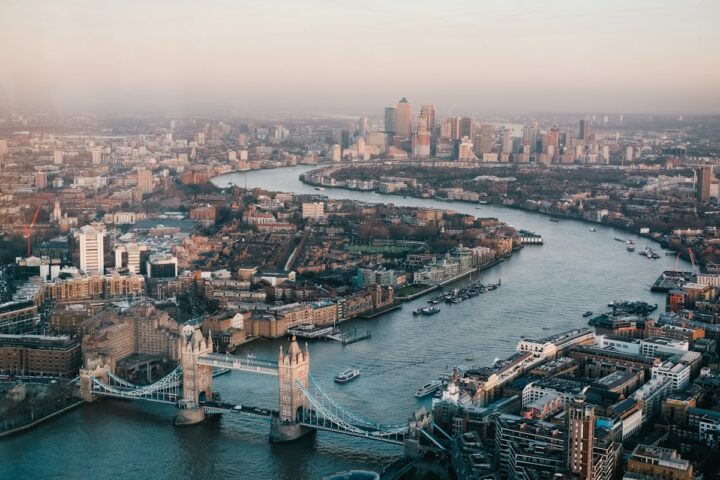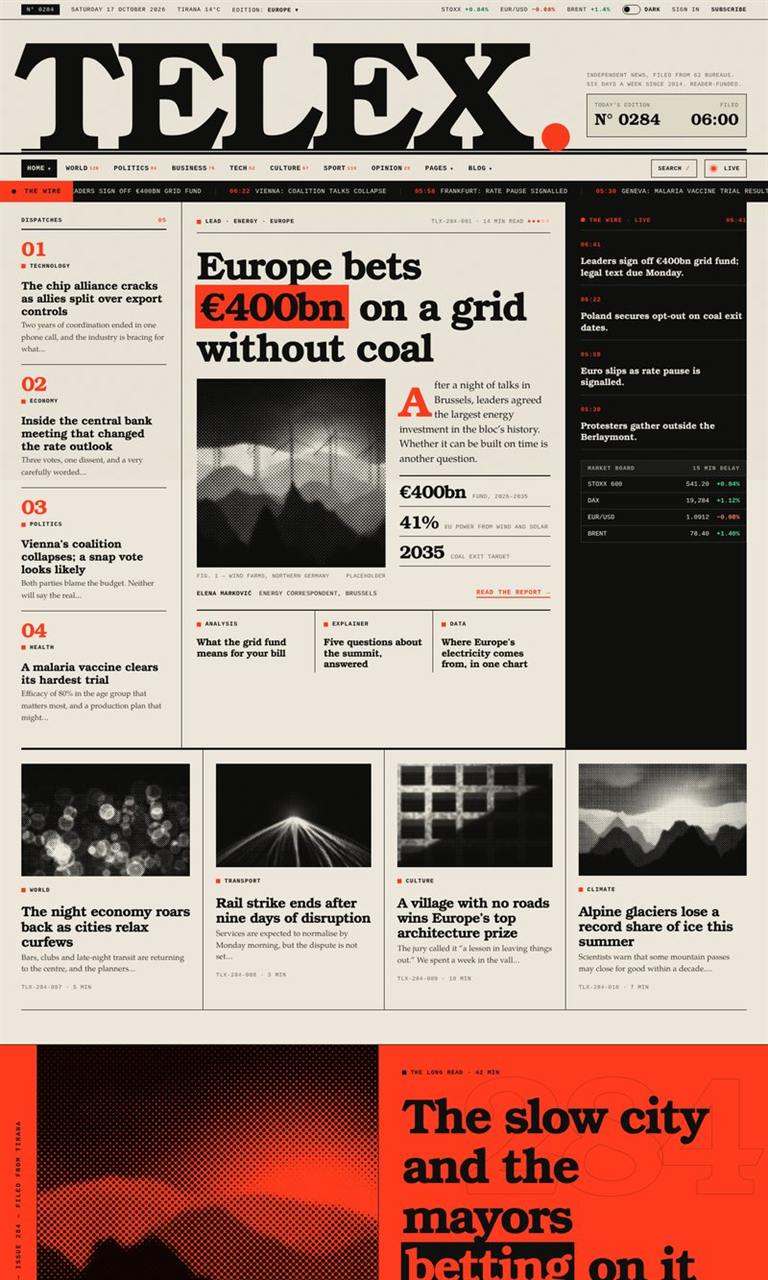


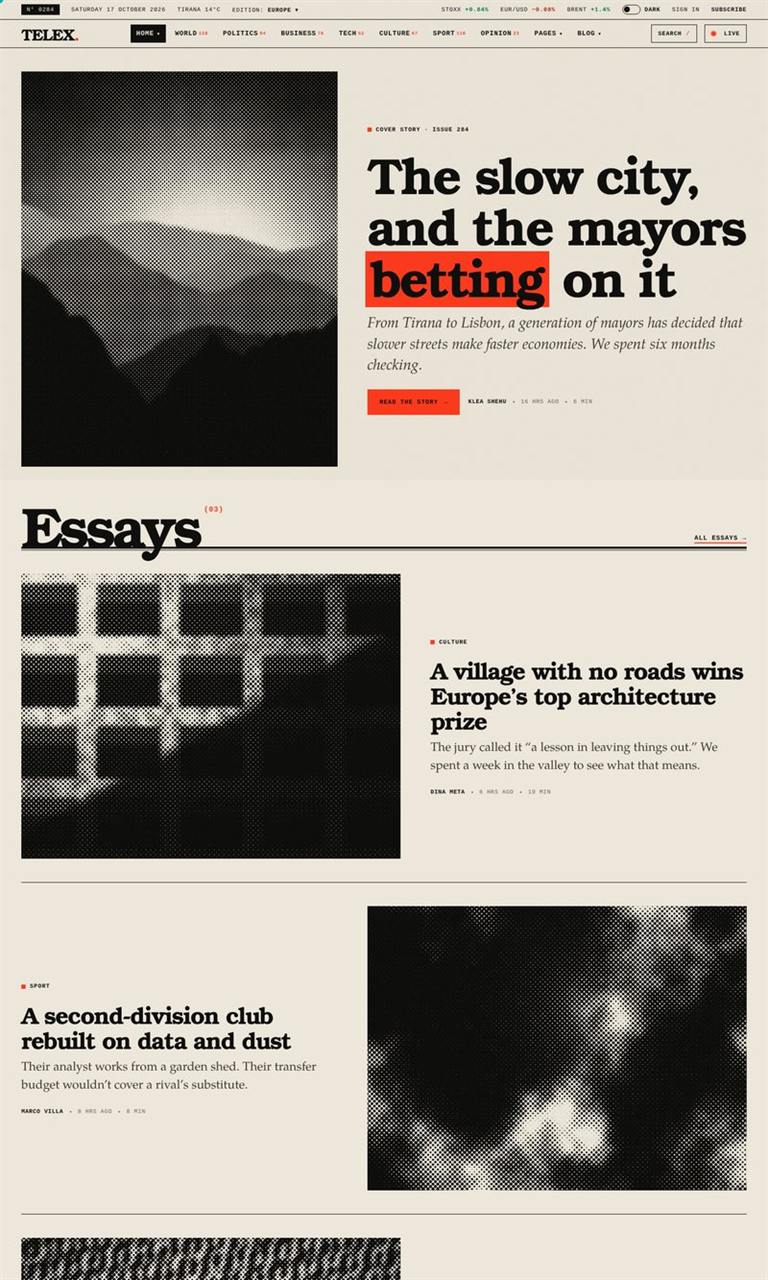

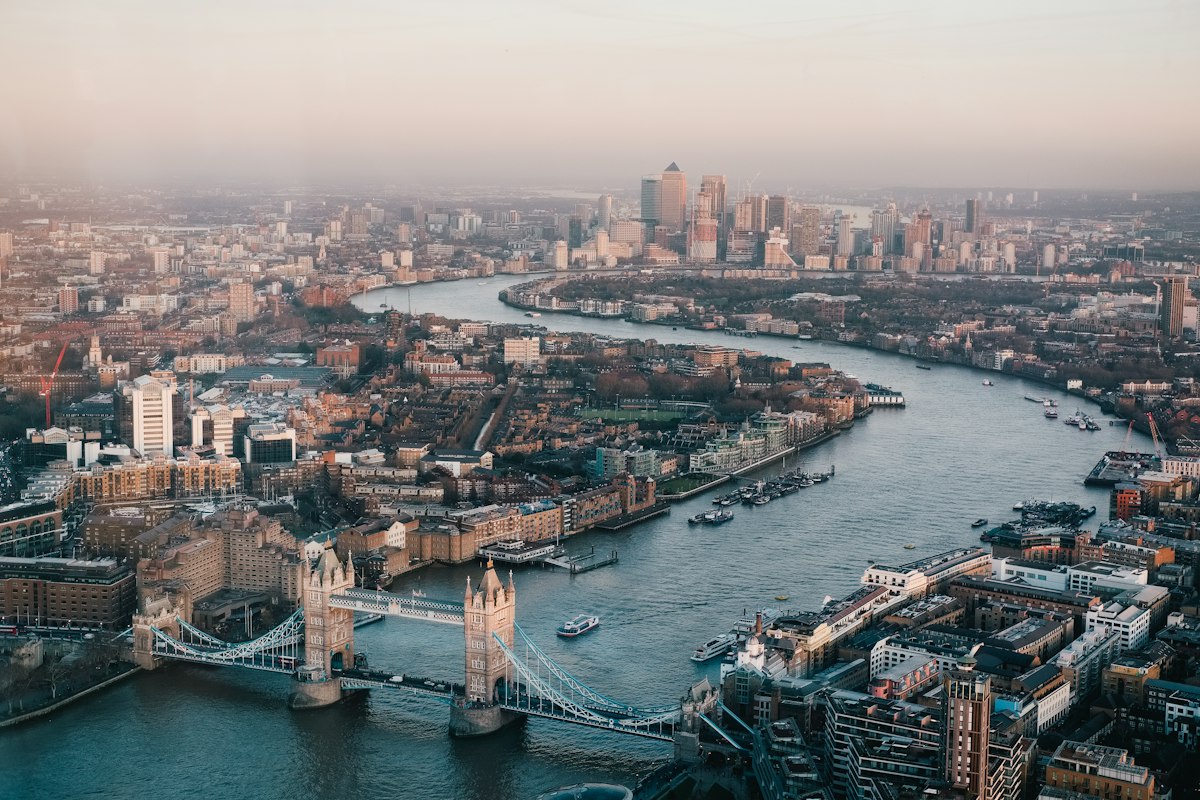
From Boston to London, a generation of mayors has decided that slower streets make faster economies. Our correspondents spent six months checking whether the numbers hold.
The thesis is simple: when cars slow down, foot traffic multiplies, retail yields climb, and local tax bases stabilize.
The infrastructure of calm
In three pilot districts where speed limits were dropped to 20 km/h and curbs were replaced with shared stone paving, retail vacancy rates fell from 14% to under 3% within eighteen months.
“We thought speed was efficiency. We were measuring the wrong thing entirely.”— Transit Commissioner
Editorial Evaluation · Reader Feedback
How do you evaluate this reporting?

Written by
Profile →
izcpt
Staff correspondent and investigative writer for Telex Newsroom.